A Detailed Guide to Cybersecurity Threats
What Are Cybersecurity Threats?
Cybersecurity threats refer to any potential danger that can compromise the integrity, confidentiality, or availability of digital information and systems. These threats can originate from various sources, including cybercriminals, disgruntled employees, and even natural disasters. Understanding these threats is essential for developing effective security measures.
Common Cybersecurity Threats
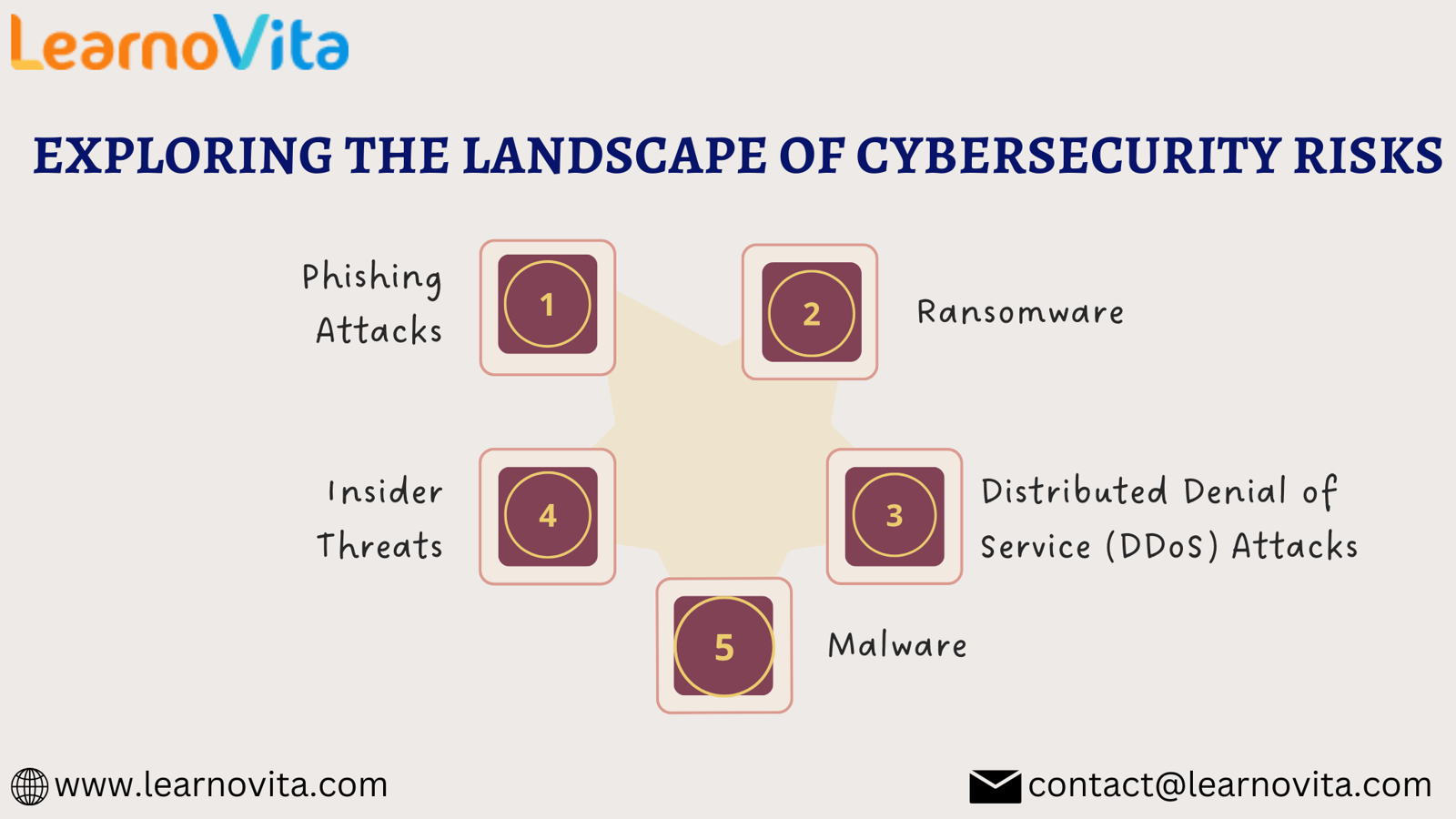
1. Phishing Attacks
Phishing is one of the most common cybersecurity threats. In these attacks, cybercriminals send fraudulent emails or messages that masquerade as legitimate communications to trick recipients into revealing sensitive information, such as login credentials or financial data.
Prevention Tips:
- Always verify the sender’s email address.
- Avoid clicking on links or downloading attachments from unknown sources.
- Use email filtering solutions to detect and block phishing attempts.
2. Ransomware
Ransomware is a type of malware that encrypts a victim’s files, making them inaccessible until a ransom is paid to the attacker. These attacks can be devastating, leading to significant downtime and financial losses for businesses.
Prevention Tips:
- Regularly back up important data to an offline location.
- Keep software and operating systems updated to patch vulnerabilities.
- Educate employees about the dangers of ransomware and safe browsing habits.
3. Malware
Malware encompasses a wide range of malicious software designed to infiltrate and damage systems. This category includes viruses, worms, trojans, and spyware, each with its unique methods of attack.
Prevention Tips:
- Install and maintain reputable antivirus software.
- Avoid downloading software or files from untrusted sources.
- Regularly update all software to close security loopholes.
With the aid of Best Software Training Institute programs, which offer comprehensive training and job placement support to anyone looking to develop their talents, it’s easier to learn this tool and advance your career.
4. Insider Threats
Insider threats come from individuals within an organization, such as employees or contractors, who may compromise security intentionally or unintentionally. This can include leaking sensitive information or failing to follow security protocols.
Prevention Tips:
- Implement strict access controls and monitor user activity.
- Conduct regular training and awareness programs for employees.
- Foster a positive workplace culture to reduce intentional insider threats.
5. Distributed Denial of Service (DDoS) Attacks
DDoS attacks overwhelm a target’s systems by flooding them with excessive traffic, rendering services unavailable to legitimate users. These attacks can severely disrupt business operations.
Prevention Tips:
- Use traffic monitoring tools to detect unusual spikes.
- Invest in DDoS mitigation services to absorb excess traffic.
- Have a response plan in place for potential DDoS attacks.


Comments
Post a Comment