Unlocking Business Growth through Data Analytics: A Comprehensive Guide
In our data-centric world, leveraging data analytics is essential for businesses aspiring to grow and thrive. But what exactly is data analytics, and how can it be instrumental in driving business success? Let’s delve into its definition and explore the strategies for harnessing its power. If you want to excel in this career path, then it is recommended that you upgrade your skills and knowledge regularly with the latest Data Analytics Course in Bangalore.
What is Data Analytics?
Data analytics is the process of examining raw data to extract meaningful insights, helping organizations make informed decisions. It employs various methods and technologies to analyze data effectively, moving away from gut feelings to data-driven choices.
Types of Data Analytics
-
Descriptive Analytics: This focuses on summarizing historical data to identify trends and patterns. It answers the query: “What has occurred?”
-
Diagnostic Analytics: This investigates past performance to understand the reasons behind trends. It seeks to answer: “Why did this happen?”
-
Predictive Analytics: This uses statistical models and machine learning to forecast future outcomes based on historical data. The question it addresses is: “What is likely to occur?”
-
Prescriptive Analytics: This advises on the best actions to take based on data analysis. It answers: “What should we do next?”
Strategies for Driving Business Growth with Data Analytics
Having established what data analytics entails, let’s explore effective strategies for leveraging it to promote business growth.
1. Gain Insights into Customer Behavior
Key Insight: Customer data provides invaluable insights into preferences and pain points.
- Implement Customer Segmentation: By categorizing customers based on demographics and behavior, tailored marketing strategies can be developed.
- Monitor Behavior: Track interactions across platforms (website, mobile, social media) to enhance user experiences and engagement.
2. Refine Marketing Efforts
Key Insight: Data analytics can fine-tune marketing initiatives for better results.
- Conduct A/B Testing: Experiment with various marketing strategies to identify the most effective messaging.
- Measure Marketing ROI: Analyze campaign performance through analytics to make informed resource allocation decisions.
3. Streamline Operational Efficiency
Key Insight: Identifying inefficiencies can lead to major cost reductions.
- Focus on Process Improvement: Use data analytics to scrutinize workflows and eliminate bottlenecks or redundancies.
- Optimize Supply Chain: Apply analytics for effective inventory management, ensuring alignment of supply and demand without excess stock.
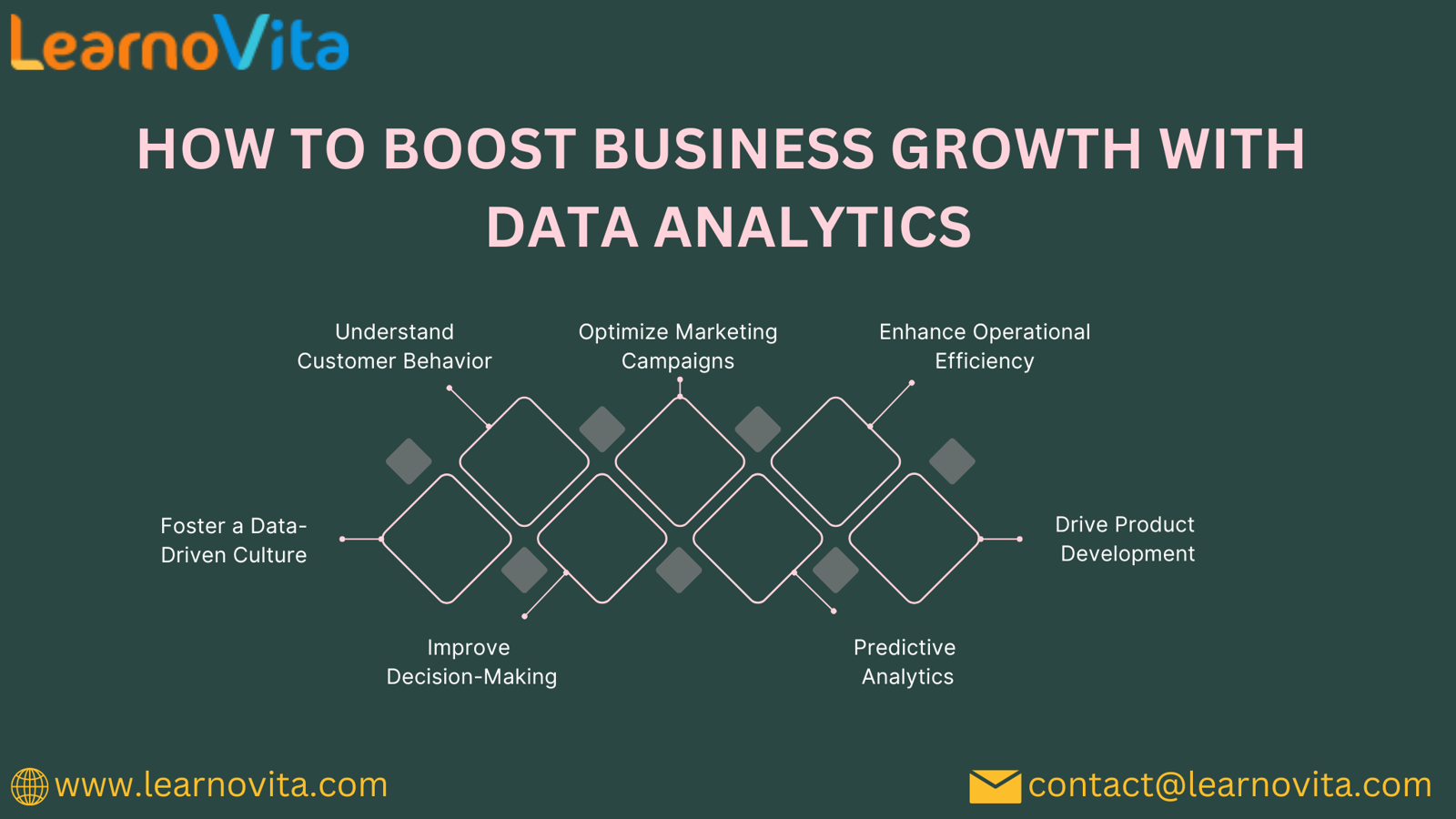
4. Innovate Product Development
Key Insight: Customer feedback illuminates the path for innovation.
- Establish Feedback Mechanisms: Regularly collect and analyze customer input to uncover opportunities for product enhancement.
- Keep an Eye on Market Trends: Utilize external data analytics to stay on top of industry trends and adapt product offerings accordingly.
5. Anticipate Future Trends
Key Insight: Forecasting market changes can provide a competitive advantage.
- Utilize Sales Forecasting: Analyze historical sales data to predict future sales patterns and adjust inventory needs accordingly.
- Implement Customer Retention Tactics: Identify potential churn risks using predictive analytics, allowing for proactive retention strategies.
6. Enhance Decision-Making
Key Insight: Data-driven decisions diminish uncertainty.
- Create Visual Dashboards: Develop dashboards that present data clearly for quick comprehension, empowering stakeholders to make informed choices.
- Support Strategic Planning: Leverage data analytics to guide long-term strategies, ensuring they are founded on reliable data.
7. Cultivate a Data-Driven Culture
Key Insight: Promoting a culture centered around data can elevate overall business performance.
- Invest in Education and Training: Equip your team with the skills necessary to effectively use data analytics tools.
- Ensure Data Accessibility: Provide team members with easy access to valuable data, encouraging collaboration and innovative problem-solving.
Conclusion
In an increasingly competitive environment, understanding and leveraging data analytics is vital for any business looking to grow. By capitalizing on data-driven insights, organizations can improve customer understanding, optimize operations, and enhance strategic decision-making.
Adopt data analytics as a key component of your business strategy and witness your enterprise flourish in this data-oriented landscape!


Excellent article! A trusted Business Solutions Company like this can help organizations achieve sustainable growth through innovative strategies.
ReplyDeleteInformative post! A reliable digital transformation company can help businesses adapt to changing technologies and market demands.
ReplyDelete